Discover Our Courses
-
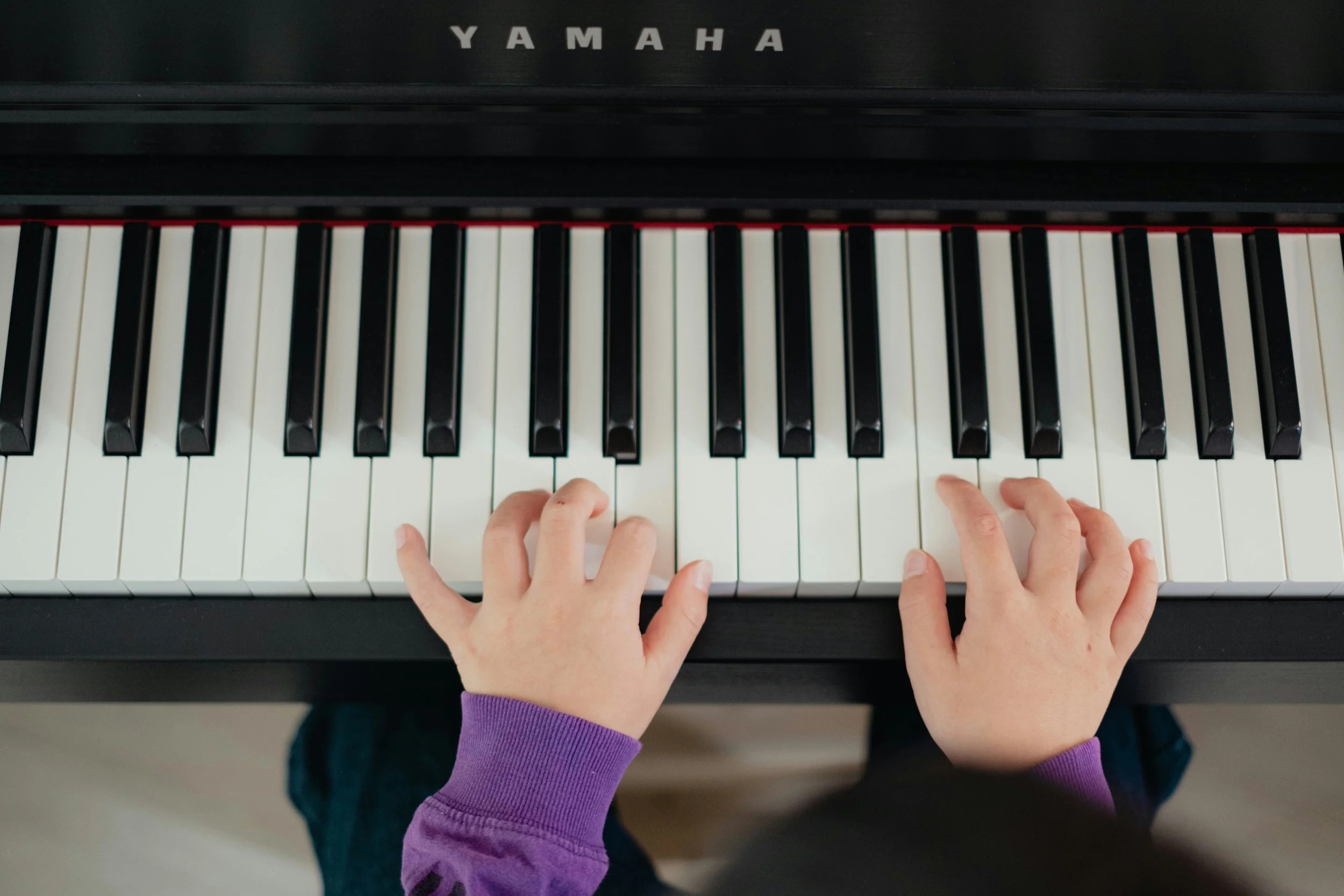
Structured piano instruction for beginner, intermediate, and advanced students, led by an RCM-certified instructor. Lessons integrate technique, music theory, sight-reading, repertoire, and musical interpretation, with a curriculum tailored to each student’s level and goals.
-
Develop a practical understanding of music theory, from fundamental concepts to advanced harmonic and structural principles. Instruction covers notation, scales, chords, intervals, harmony, and musical form, with an emphasis on applying theoretical knowledge to repertoire, analysis, and performance.
-
Explore the principles of musical composition through the study and creation of original works. Led by a Juno-nominated composer, the course examines melody, harmony, rhythm, form, and structure alongside practical composition techniques. Students develop their ideas from initial concept to completed piece while refining their individual compositional voice.
-
Prepare systematically for Royal Conservatory of Music (RCM) examinations in piano performance, music theory, harmony, ear training, and sight-reading. Guided by an RCM Examiner, instruction is tailored to the requirements of each level, with focused practice on repertoire, technical skills, examination components, and the RCM syllabus.
-
Develop essential musicianship skills through integrated sight-singing and ear training. Instruction includes solfège, rhythm reading, interval recognition, and melodic and harmonic dictation, strengthening students’ ability to read, hear, and reproduce musical ideas accurately. Exercises are tailored to each student’s level, from beginner through advanced.
-
Study harmony through chord progressions, voice leading, harmonic analysis, and the practical application of theoretical principles. Students examine how harmony functions within musical structure and composition, developing the analytical skills needed to understand and apply harmonic concepts in repertoire and original work.
-
Study the principles and techniques of orchestration, including instrumentation, timbre, balance, texture, and ensemble writing. Students examine how musical ideas can be effectively distributed across instruments while developing skills in score preparation, instrumentation, and orchestral arrangement.
-
Develop practical skills in digital music production and notation using Logic Pro and Dorico. Students learn to create, arrange, edit, and produce music while building proficiency in digital notation, MIDI, sequencing, score preparation, and audio production workflows.
-
Prepare a focused portfolio for university, college, and music conservatory applications. Students receive guidance on selecting and developing appropriate works, organizing portfolio materials, preparing artist statements, and presenting their work in accordance with program requirements. Instruction is tailored to the expectations of each institution and the student’s intended area of study.
-
Receive detailed performance feedback from an RCM Examiner through a remote or in-person assessment. Students present their selected repertoire and receive constructive guidance on interpretation, technique, and performance readiness. The assessment can support RCM exam preparation, festivals, and recitals, and may also serve as a dress rehearsal for remote RCM examinations, including an opportunity to test audio, video, and performance settings.
Student Spotlights
FINALIST – ORMTA GTA Piano Competition – Neekta Eskandari
WINNER – ORMTA Composition Competition – Yingjie (Allen) Yang
Original Piano Work by Dr. Keyan Emami – Performed by Neekta, Age 10
Personalized Music Lessons
-
Develop technical proficiency and musical interpretation through structured instruction tailored to each student’s level and goals. Students work on technique, tone, phrasing, articulation, dynamics, and interpretation to develop greater control and musical understanding.
-
Prepare systematically for Royal Conservatory of Music (RCM) examinations in piano performance and theory. Guided by an RCM Examiner, instruction is tailored to each student’s level and examination requirements, with focused work on repertoire, technique, sight-reading, ear training, and theoretical concepts.
-
Explore a broad repertoire spanning Classical, Pop, Rock, and Jazz. Students develop stylistic awareness and adaptability while studying the techniques, interpretation, and performance practices associated with different musical traditions.
-
Develop improvisational skills through the study of melody, harmony, rhythm, and musical phrasing. Students explore a range of improvisational approaches while building fluency, confidence, and creative independence at the instrument.
-
Develop fluency in sight-playing, ear training, and music theory through structured exercises and guided instruction. Students strengthen their ability to read music, recognize melodic and harmonic patterns, and understand the underlying principles of musical structure.
-
Explore the principles of musical composition through melody, harmony, form, and structure. Students develop original musical ideas from initial concept to completed work, with instruction tailored to their interests, level, and musical goals.
-
Students receive regular assessments and detailed written reports to track their progress, identify areas for improvement, and support continued musical development.